


The backpack is new. The supplies are labelled. You’ve talked up the new teacher, the fresh start, all the good things ahead.
And then September actually begins.
Mornings that used to be manageable turn into 45-minute battles over shoes. Your child walks through the door after school and completely falls apart: tears over nothing, rage over everything, a level of dysregulation that makes you wonder what on earth happened between drop-off and pickup. Sleep goes sideways. Appetite disappears. The kid who sailed through summer is suddenly a different person the moment back-to-school begins.
You haven’t changed anything. The environment changed. And for some children, their nervous system is still catching up.
Why It’s Not a Behaviour Problem but a Nervous System Event.
Back-to-school is one of the most significant transitions a child’s nervous system faces all year. In the span of a few weeks, almost everything shifts at once: the daily schedule, the social environment, the sensory demands, the expectations, the physical setting, the adults in the room. Even when those changes are positive (a great teacher, a good school, an excited kid), the nervous system still has to reorganize around all of it.
The nervous system’s job is to protect. When it detects novelty, unpredictability, or high demand, it shifts into what’s called sympathetic dominance: a state of heightened alert where the brain and body are scanning, bracing, managing. In that state, the capacity for emotional regulation, focused learning, connection, and even digestion is reduced. The system has prioritized getting through over thriving.
For most kids, this is temporary. The nervous system adjusts, the routine becomes familiar, and things settle within a few weeks.
But for children whose nervous systems were already working harder than average to begin with, whether from birth stress, developmental challenges, sensory sensitivities, or accumulated tension over time, September doesn’t just bring a new routine. It tips the scales.
What Sympathetic Dominance Looks Like in September
When a child is stuck in sympathetic dominance, the signals show up everywhere, and they rarely look like what parents expect.
The after-school meltdowns make sense through this lens. Many kids are using the full capacity of their nervous system to hold it together through the school day. Following instructions, navigating the social landscape, managing sensory input, sitting still, transitioning between subjects. All of it requires neurological resources. By the time they reach home, in a safe space with people they trust, the pressure releases. What looks like a behavior problem is actually the nervous system exhaling.
The rough mornings make sense too. A child running in sympathetic dominance wakes up already in a state of low-level stress. The demand to dress, eat, pack up, and walk out the door by 8am requires more neurological coordination than their system can smoothly organize, especially before it’s had any time to settle.
The sleep disruptions are the same story. The parasympathetic nervous system (the calm, rest-and-digest state) is what initiates and maintains sleep. A system that can’t downshift stays alert long after the lights go out, no matter how tired the body is.
Why Some Kids Struggle More Than Others
Every child experiences the September shift. Not every child struggles through it.
The difference often comes down to neurological reserve: how much capacity the nervous system has before it reaches its limit. A child with a well-regulated nervous system has room to absorb the increased demand of a new school year. A child whose system was already near capacity before September started has very little margin.
This is something we see clearly in practice. The families who come in during October and November, exhausted and at their wits’ end, often describe a September that started hard and just never smoothed out. The transition period became the new normal. By the time they reach us, the child has been running on a dysregulated nervous system for six to eight weeks, and the parents are running on empty alongside them.
We want to change that timeline.
What Neurologically-Focused Care Supports During Transitions
At The Den, we start with a neurological assessment using INSiGHT scans, a non-invasive tool that gives us a clear picture of how a child’s nervous system is currently functioning. We can see where stress is being held, how well the system is regulating, and what the body is prioritizing.
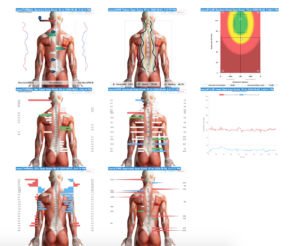
For a child heading into a major transition, that information matters. It tells us what their nervous system is already carrying, before the school year adds its full weight.
Neurologically-focused chiropractic care supports the nervous system’s ability to regulate, adapt, and process the demands of daily life. The goal is a nervous system with more capacity and more room to absorb what September brings without tipping into dysregulation.
We’re not trying to remove the challenge of a new school year. We’re supporting the system that has to navigate it.
You Don’t Have to Wait Until You’re Both Exhausted
If you’re reading this in September and things are already feeling rough, that’s information worth acting on now. Not in November.
The nervous system responds best when we work with it early. A neurological assessment at the start of the school year gives you a clear picture of what your child is carrying, and it gives their system the support it may need before the strain accumulates.
Every year, we see families who wish they had come in sooner. We’d love yours to be the family that did.
Book a neurological assessment for your child this September. Click Here to Book
Frequently Asked Questions
Why does my child fall apart after school but seem fine during the day? School requires a significant amount of neurological effort: managing sensory input, social demands, transitions, and instructions all at once. Many children hold it together through the day by drawing on their nervous system’s full resources. Once they’re home and safe, the system releases that tension. The meltdown is the result of a full day of effort, not a behavioural choice.
Is the back-to-school adjustment period normal? Some adjustment is typical. But when the transition period stretches past the first few weeks, or the symptoms are severe: significant sleep disruption, daily meltdowns, physical complaints like headaches or stomach aches. That’s the nervous system signalling it needs more support than the routine alone can provide.
What does a neurological assessment at The Den involve? We use INSiGHT scans to measure how the nervous system is functioning: a non-invasive, painless process that works for children of all ages. It gives us a detailed picture of where the system is under stress and how well it’s regulating, so we can understand what your child is working with before we make any recommendations.
The Den Chiropractic serves families across Kelowna and the greater Okanagan region with neurologically-focused chiropractic care for children and adults. To book a neurological assessment, visit https://thedenchiro.janeapp.com/.
